
The Wayfinding Approach
What if the leaders our organizations need most aren’t just smarter, but wiser?
Most leaders are taught to navigate organizational life like a speedboat.
Engine on full. Bow pointed at the destination. Straightest line. Minimum deviation. It works — until the waves get bigger than the engine. Until the channel turns out to be an ocean.
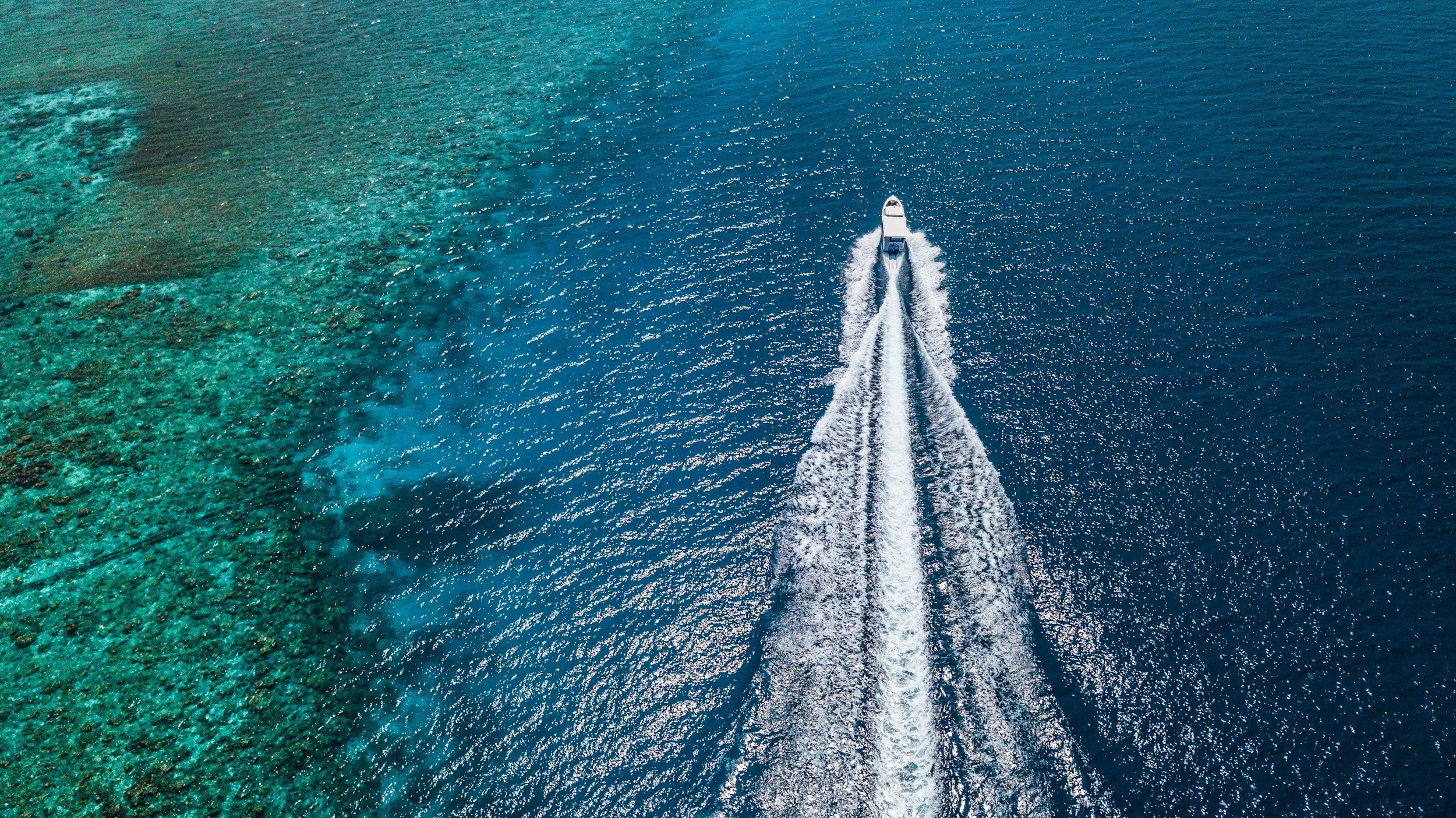
The leaders who sense this start to sail.
But here’s the thing: you can’t sail directly into the wind. You have to tack, to work with conditions rather than power through them. The path becomes responsive, adaptive and alive.

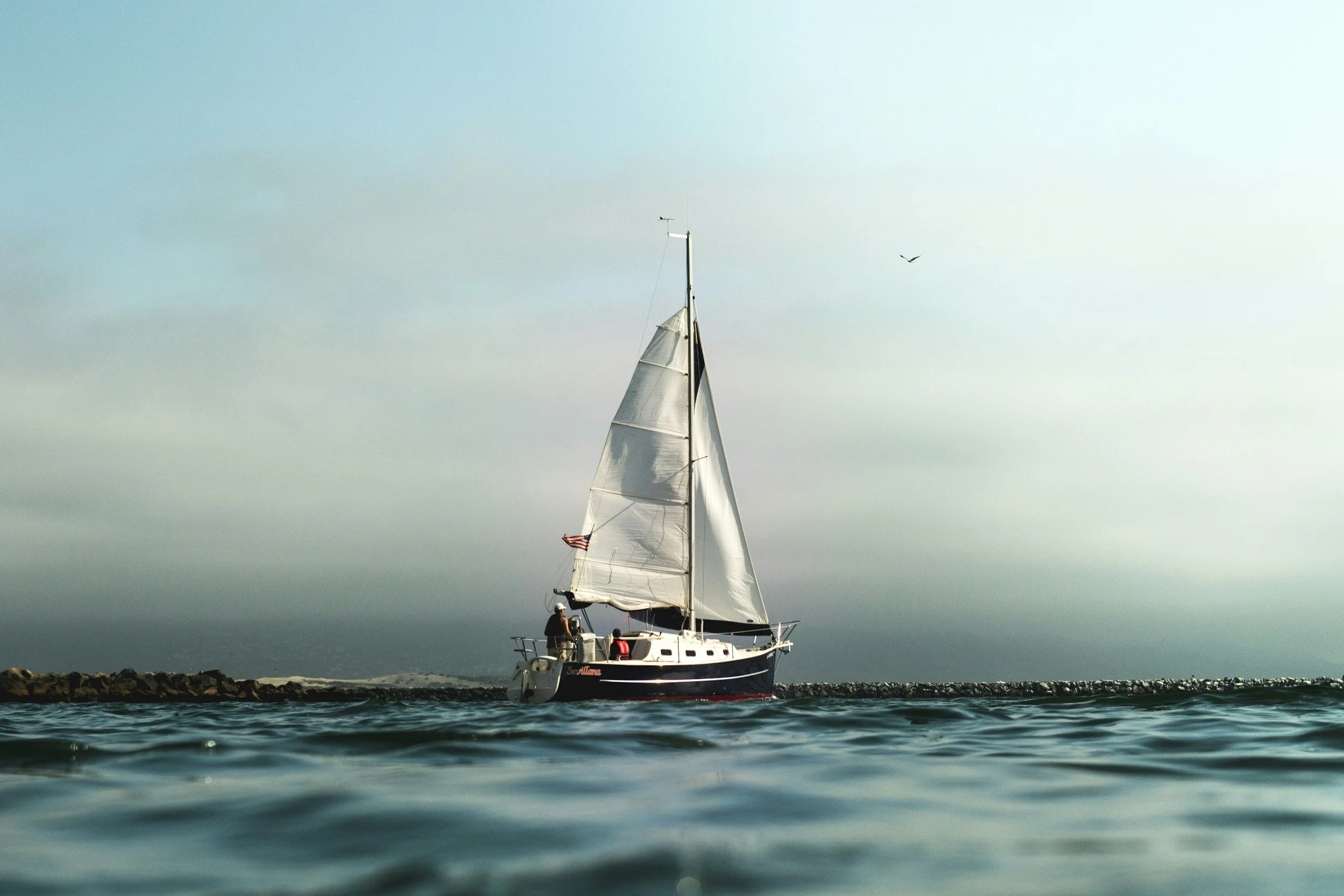
Wayfinding is sailing in uncharted waters.
No fixed course. No guarantee of what you'll find. What guides us when we’re here isn't a strategic plan - it's a leadership practice. The capacity to read the stars, feel the current, hold the whole picture, and keep moving with wisdom and intention as we discover the path forward together with our crew.
We begin by listening — to what's said and what isn't, to the people in the room and the ones who aren't, to reason and intuition in equal measure. We surface what's true before we build what's next. We work from the inside out — inner clarity before outer strategy — and we hold both the individual and the system simultaneously. We move into uncharted territory with curiosity and trust in what's emerging.
This is how we work.

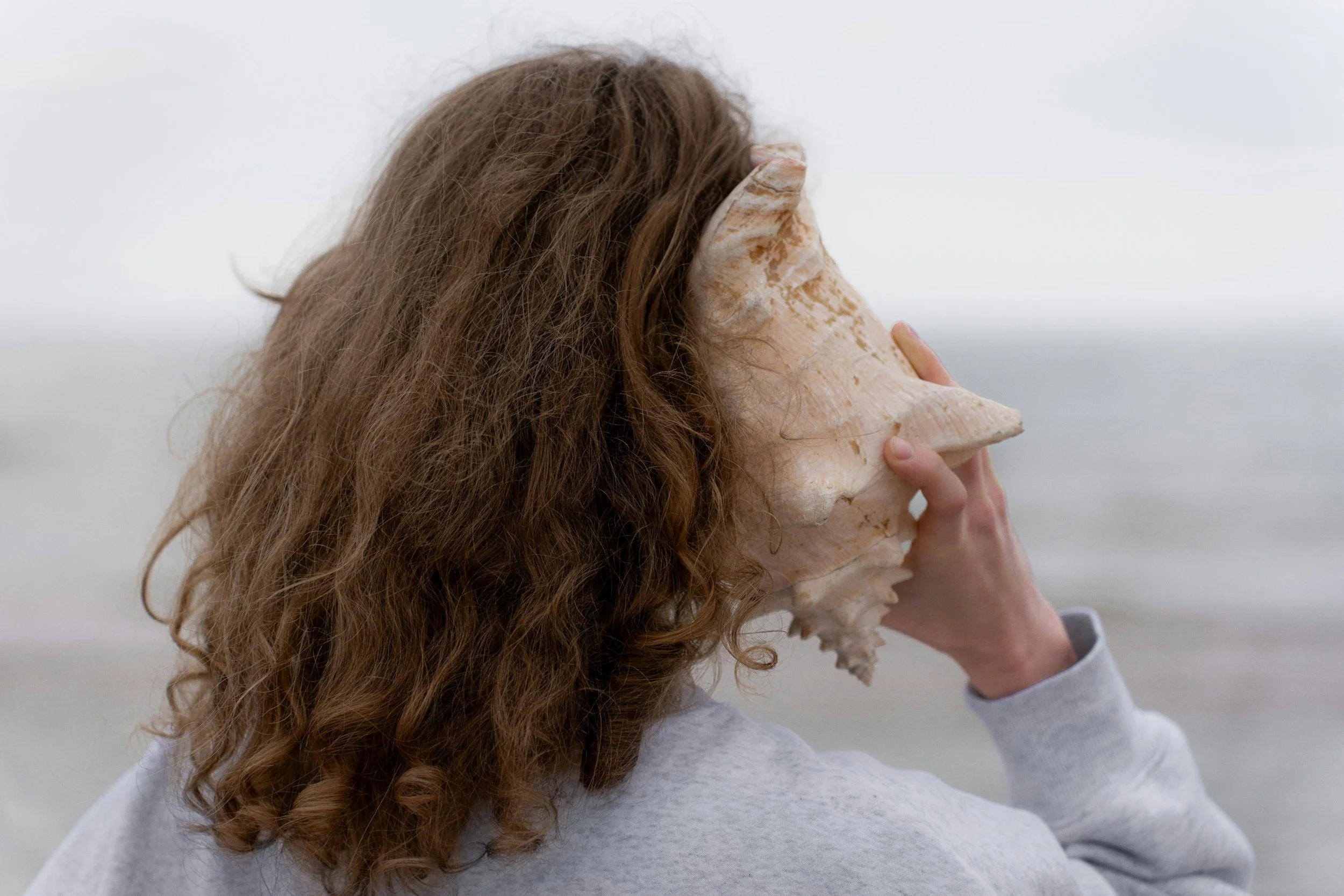
Wisdom lives in integration.
Most leadership frameworks ask you to choose — analytical or intuitive, strategic or relational, individual or collective, action or reflection.
Wayfinding is built on a different premise entirely: that the most complex challenges of our time cannot be navigated from one side of any of these divides.
Polynesian navigators don't choose between reading the stars and feeling the currents, between trusting themselves and listening to their crew. They do both. When the stars are hidden, they navigate by feel. When the currents shift, they look up. When the crew sees something the navigator missed, they listen. No single sign, star, or voice can tell you where you are.





-
What becomes possible when yo lead from a place you actually trust?
Every navigator needs a fixed point of reference — something true that doesn't shift with the weather. This is the work of reconnecting with your inner compass: the knowing that lives beneath the noise, the conditioning, and the expectations of others.
-
How do you sustain yourself — and others — for the length of the journey?
The ocean is vast and the crossing is long. Wise navigators know that resilience isn't about toughening up — it's about knowing how to replenish.
-
What are you noticing — and what are you missing?
A navigator feels the current long before they see what's causing it. This is the practice of deep attunement — to subtle signals in yourself, in the people around you, and in the systems you move through.
-
What becomes visible when you stop looking for the single right answer?
Polynesian navigators don’t rely on one signal. They read currents for direction, clouds and birds for weather, stars for position — weaving together dozens of streams of information into a coherent picture.
-
What story makes sense of what's happening — and what story might be getting in the way?
In uncharted water, the ability to make meaning is as important as the ability to navigate. This dimension develops your capacity to find the through-line when the terrain keeps shifting.
-
What becomes possible when the whole crew is navigating together?
No great voyage was made alone. This dimension develops the relational wisdom to build the kind of trust that allows genuine co-navigation.
-
What demands your attention right now — and what are you holding on the horizon?
Wise navigators carry two awarenesses simultaneously: the island they're sailing toward, and whatever is arriving at their bow right now.
Seven Navigation Skills
Four Outcomes
Clarity
About what you can and cannot control, and where wise action makes sense.
Confidence
To navigate the unknown without needing all the answers first.
Connection
A deeper relationship with self, colleagues, mission, and cause.
Capacity
The inner spaciousness and outer skills to act wisely amidst complexity.
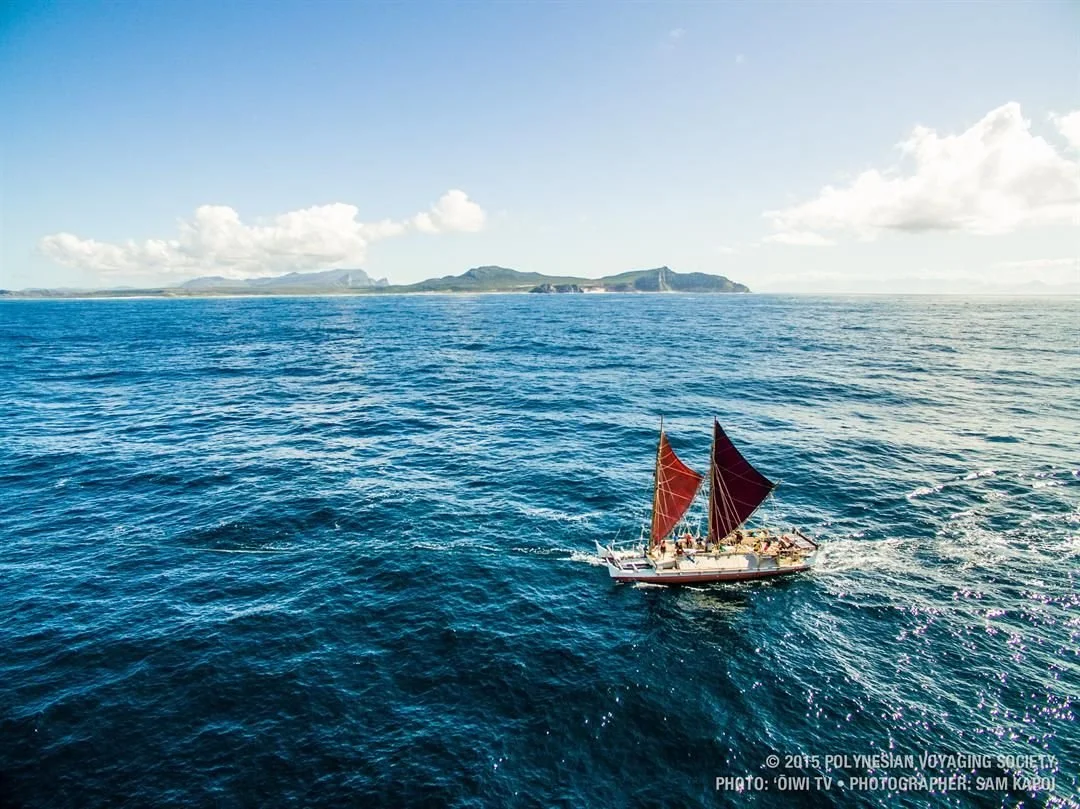

Mahalo nui loa…
Wayfinding Wisdom has been inspired and shaped by the traditions of Polynesian navigators who crossed and continue to cross vast ocean distances without modern instruments. We offer deep gratitude and acknowledgment to our Polynesian elders — and elders across all cultures — who have gone before us.
